


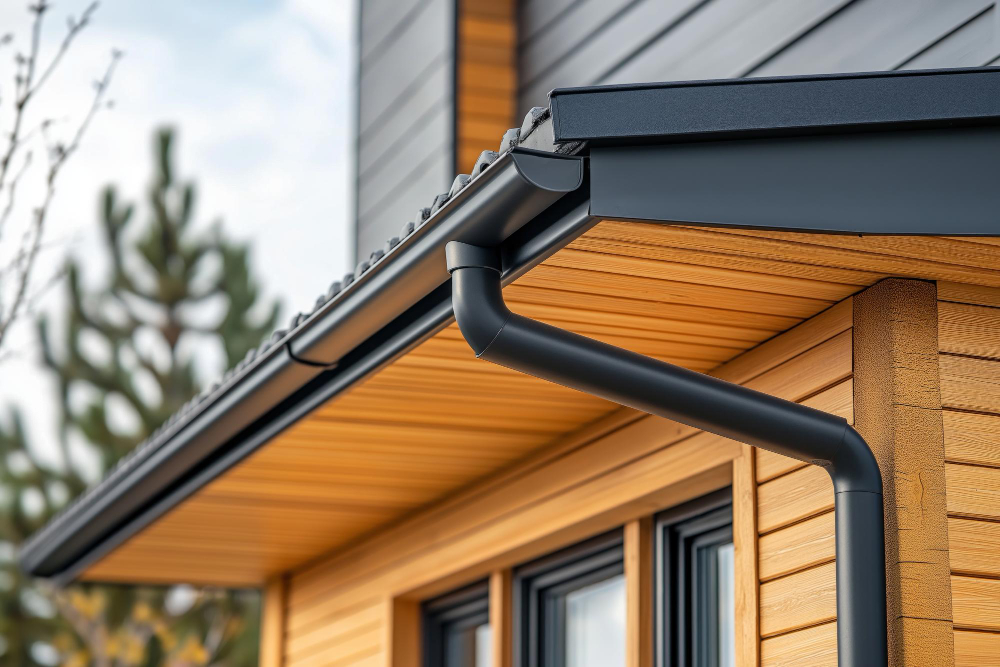
When it comes to protecting your home from water damage, your gutters do more work than most homeowners realize. They channel rainwater and melting snow away from your roof, walls, and foundation, helping prevent issues like basement flooding, soil erosion, and siding damage. But not all gutters are created equal, and choosing the wrong size can lead to overflowing, sagging, and costly repairs down the road.
If you are planning a new gutter system or replacing an old one, understanding gutter sizing is one of the most important steps in the process. This guide will walk you through everything you need to know, with a special focus on why seamless gutter installation in Fargo is often the smartest choice for local homeowners.
Why Gutter Size Matters
Gutters are designed to handle a specific volume of water based on your roof’s size, pitch, and the average rainfall in your area. If your gutters are too small, they will overflow during heavy storms, sending water cascading down your siding and pooling around your foundation. Over time, this can lead to cracked foundations, mold growth, and costly structural repairs.
On the other hand, oversized gutters are not always necessary and can add unnecessary cost to your project. Finding the right balance is key, and that is where working with an experienced local provider makes all the difference. A company familiar with Fargo’s climate and weather patterns can recommend the gutter size that will actually perform well on your home, rather than a generic, one-size-fits-all solution.
Common Gutter Sizes and What They Mean
Residential gutters typically come in two standard sizes: 5-inch and 6-inch. Here is a quick breakdown of when each is appropriate.
5-inch gutters are the most common choice for average-sized homes with moderately sloped roofs. They work well for many properties throughout Fargo and the surrounding areas, especially homes with standard roof spans and typical rainfall exposure.
6-inch gutters are recommended for larger homes, steep roof pitches, or homes with extensive roof surface area. Because Fargo experiences heavy spring snowmelt and occasional intense rainstorms, many homeowners in the area choose 6-inch gutters for added capacity and peace of mind. The larger size handles higher water volume without overflowing, which is especially important during the rapid thaw periods common in North Dakota winters.
Factors That Affect the Right Size for Your Home
Choosing the correct gutter size is not just about square footage. Several factors come into play, including:
Roof pitch. Steeper roofs cause water to flow faster and with more force, which means gutters need to handle a higher volume in a shorter amount of time.
Roof surface area. Larger roofs collect more water during a storm, so homes with expansive roof lines often benefit from larger gutters and downspouts.
Local rainfall and snowmelt patterns. Fargo’s weather includes significant snow accumulation in winter and rapid melting in spring, which can put extra strain on undersized gutter systems.
Number and placement of downspouts. Even a properly sized gutter will underperform if there are not enough downspouts, or if they are placed incorrectly to handle water flow efficiently.
This is why a professional assessment matters. A trained technician can evaluate your roof’s specific characteristics and recommend a system that is built to perform, not just to look good.

When it comes to protecting your home from water damage, your gutters do more work than most homeowners realize. They channel rainwater and melting snow away from your roof, walls, and foundation, helping prevent issues like basement flooding, soil erosion, and siding damage. But not all gutters are created equal, and choosing the wrong size can lead to overflowing, sagging, and costly repairs down the road.
If you are planning a new gutter system or replacing an old one, understanding gutter sizing is one of the most important steps in the process. This guide will walk you through everything you need to know, with a special focus on why seamless gutter installation in Fargo is often the smartest choice for local homeowners.
Why Gutter Size Matters
Gutters are designed to handle a specific volume of water based on your roof’s size, pitch, and the average rainfall in your area. If your gutters are too small, they will overflow during heavy storms, sending water cascading down your siding and pooling around your foundation. Over time, this can lead to cracked foundations, mold growth, and costly structural repairs.
On the other hand, oversized gutters are not always necessary and can add unnecessary cost to your project. Finding the right balance is key, and that is where working with an experienced local provider makes all the difference. A company familiar with Fargo’s climate and weather patterns can recommend the gutter size that will actually perform well on your home, rather than a generic, one-size-fits-all solution.
Common Gutter Sizes and What They Mean
Residential gutters typically come in two standard sizes: 5-inch and 6-inch. Here is a quick breakdown of when each is appropriate.
5-inch gutters are the most common choice for average-sized homes with moderately sloped roofs. They work well for many properties throughout Fargo and the surrounding areas, especially homes with standard roof spans and typical rainfall exposure.
6-inch gutters are recommended for larger homes, steep roof pitches, or homes with extensive roof surface area. Because Fargo experiences heavy spring snowmelt and occasional intense rainstorms, many homeowners in the area choose 6-inch gutters for added capacity and peace of mind. The larger size handles higher water volume without overflowing, which is especially important during the rapid thaw periods common in North Dakota winters.
Factors That Affect the Right Size for Your Home
Choosing the correct gutter size is not just about square footage. Several factors come into play, including:
Roof pitch. Steeper roofs cause water to flow faster and with more force, which means gutters need to handle a higher volume in a shorter amount of time.
Roof surface area. Larger roofs collect more water during a storm, so homes with expansive roof lines often benefit from larger gutters and downspouts.
Local rainfall and snowmelt patterns. Fargo’s weather includes significant snow accumulation in winter and rapid melting in spring, which can put extra strain on undersized gutter systems.
Number and placement of downspouts. Even a properly sized gutter will underperform if there are not enough downspouts, or if they are placed incorrectly to handle water flow efficiently.
This is why a professional assessment matters. A trained technician can evaluate your roof’s specific characteristics and recommend a system that is built to perform, not just to look good.